A Practical Daily Warm-Up for Digital Illustration
Why a warm-up matters
A short, consistent warm-up helps you enter focused visual thinking. It reduces the friction of starting a session and primes the eye for quick decisions. This routine emphasizes gesture, value, and a rapid iteration mindset. It takes 20 to 40 minutes and can be adjusted to your schedule.
Equipment and setup
Use your regular digital tools: the tablet or screen, your preferred brush set, and one document with layers enabled. Set a timer and create three labeled layers: Gesture, Value, and Color. Keep brush sizes limited to one or two defaults so you avoid distraction.
Step-by-step 30-minute routine
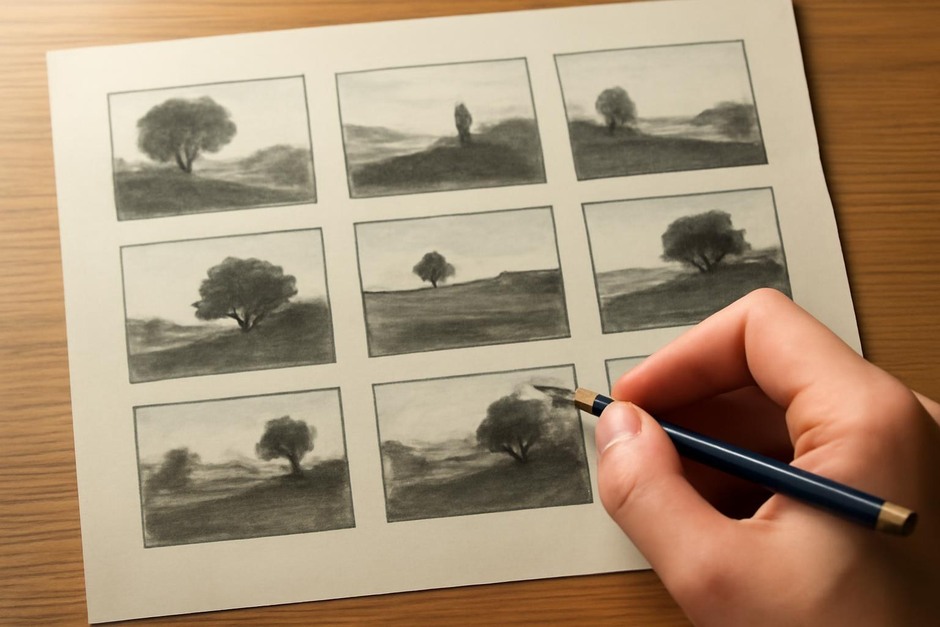
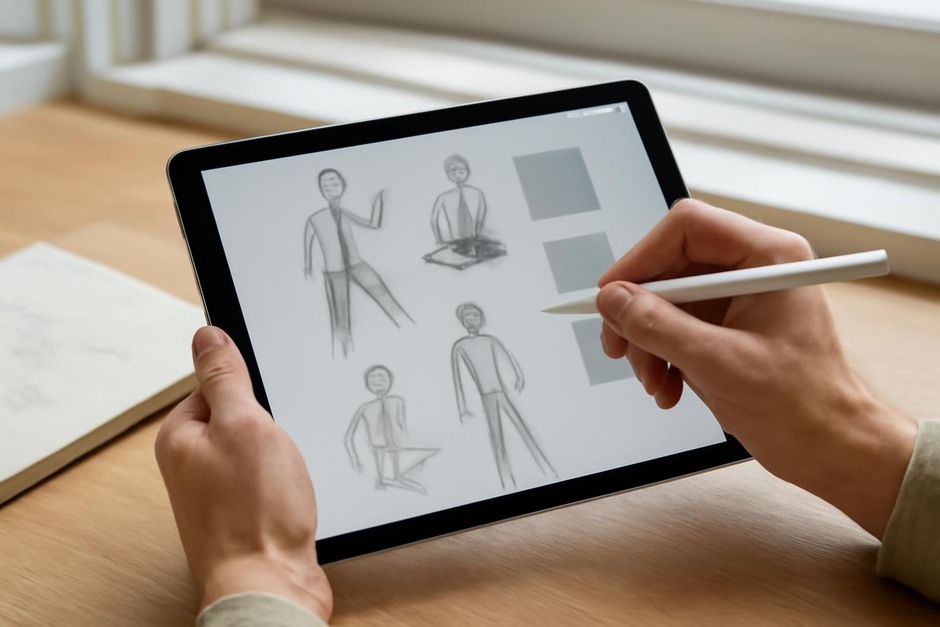
- Gesture sprint — 8 minutes. Set a 60- to 90-second timer for each thumbnail. Draw simple, small compositions that capture action or structure. Focus on line of action, rhythm, and confident marks. Limit details. Aim for 6 to 8 thumbnails.
- Value block-in — 8 minutes. On the Value layer, pick three tones: dark, mid, light. Block in the major shapes from one thumbnail you liked. Think about mass and plane changes rather than edges. Use a hard-edged brush to keep shapes readable.
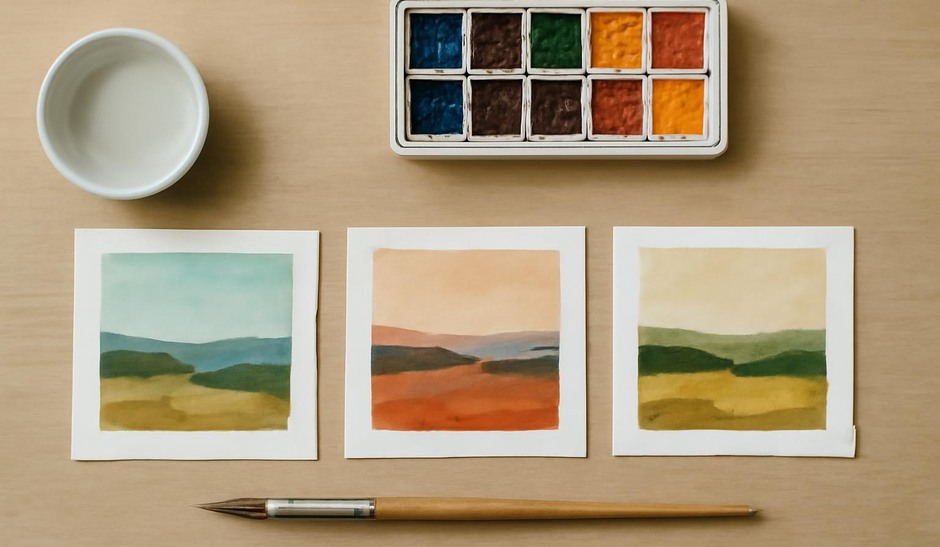
- Quick color pass — 6 minutes. On the Color layer, apply two to three color studies over the value block-in. Try a warm key, a cool key, and a high-contrast option. Don’t perfect edges; focus on mood and value relationships.
- Refinement loop — 6 to 12 minutes. Pick the most instructive version and refine selectively: clarify one edge, adjust two colors, and add a single focal detail. Stop before you feel compelled to keep polishing. The point is to practice fast decision-making, not finish a piece.
Small exercises to repeat
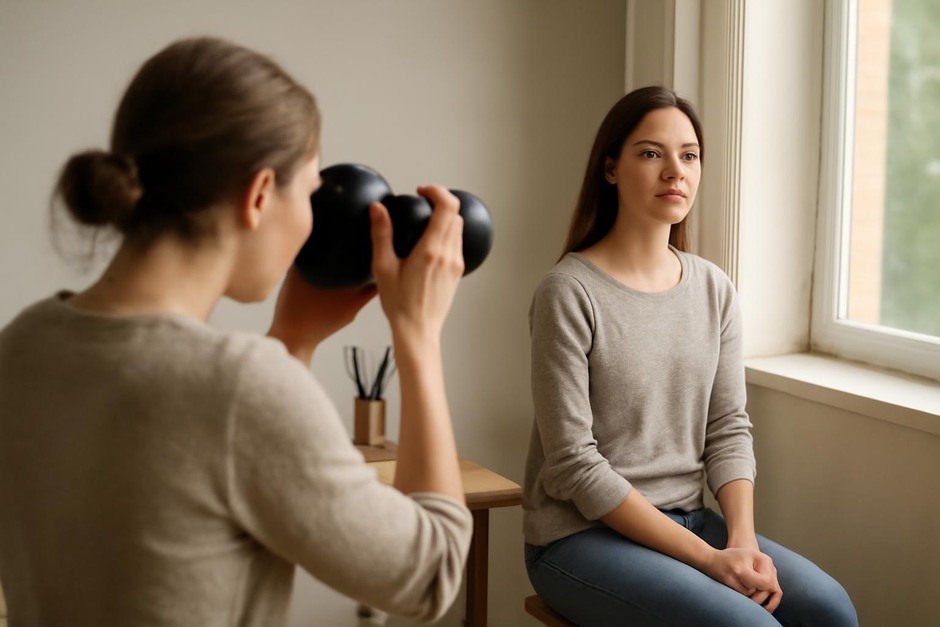
- Gesture memory test: Do a 30-second gesture, then close the document and redraw from memory for 60 seconds. Compare proportions and rhythm.
- Value-only limits: Spend three days using only three tones. Notice how limitations clarify structure.
- Color swaps: Take one blocked value study and make three different color passes to learn how hue affects perception.
How to track progress
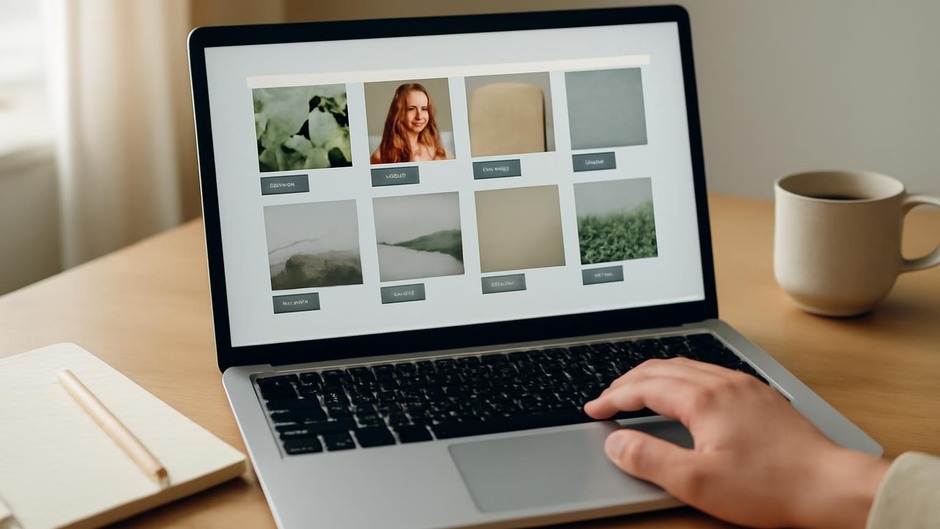
Save each warm-up in a dated folder and note which exercises you did. After a month, review only the thumbnails and blocked-in studies to assess improvements in clarity and decision speed. Look for stronger silhouettes, clearer value hierarchies, and quicker color choices.
This warm-up is intentionally short and repeatable. It trains visual habits that translate directly into longer illustrations: confident marks, decisive value thinking, and economical color experiments. Adjust timings to fit your day, and keep the emphasis on iteration rather than completion.