Efficient Reference Gathering: Building Visual Libraries
Principles of useful reference gathering
Collecting reference material is most effective when it supports decisions rather than creates distraction. Good reference habits emphasize curation, consistent tagging, and small sets that answer specific questions: pose, lighting, texture, or composition. The aim is to build go-to folders you can quickly consult during iterative studies.
Set up a simple system
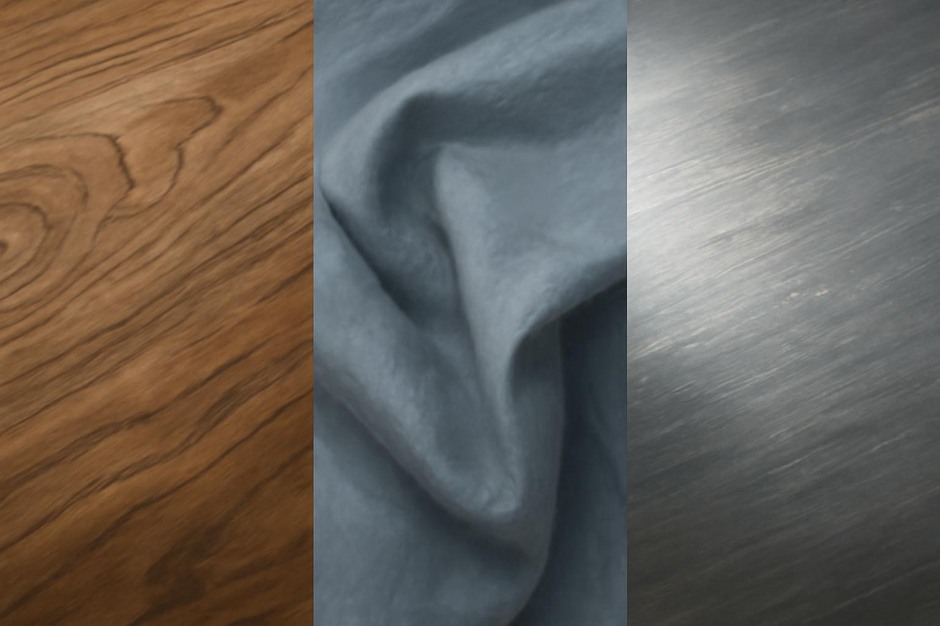
Create a lightweight folder structure with three top-level categories: Pose and Anatomy, Light and Color, and Texture and Material. Inside each, use short, consistent subfolders such as Head, Hands, Backlight, Warm Key, Fabric, and Wood. Avoid endless subfolders; prefer flat organization with clear filenames.
Capture and curate workflow
- Capture deliberately. When you take a photo or save an image, note why it matters. Was it the backlight on a shoulder, the compression of a fold, or the way a cast shadow hits a face? That intention becomes the filename or a short tag.
- Limit each session. Spend 20 minutes collecting references for a single study. Gather a small set of 6 to 12 images that answer a single question, such as how a particular fabric drapes or how midday light flattens features.
- Tag consistently. Use 2–3 tags per file: one for type (pose, lighting, texture), one for specific content (hands, window light), and one for mood or palette if relevant (cool, warm, high contrast).
Practical habits for long-term use
- Weekly quick cull: Review new additions once a week. Keep only the most instructive images and delete duplicates or low-quality captures.
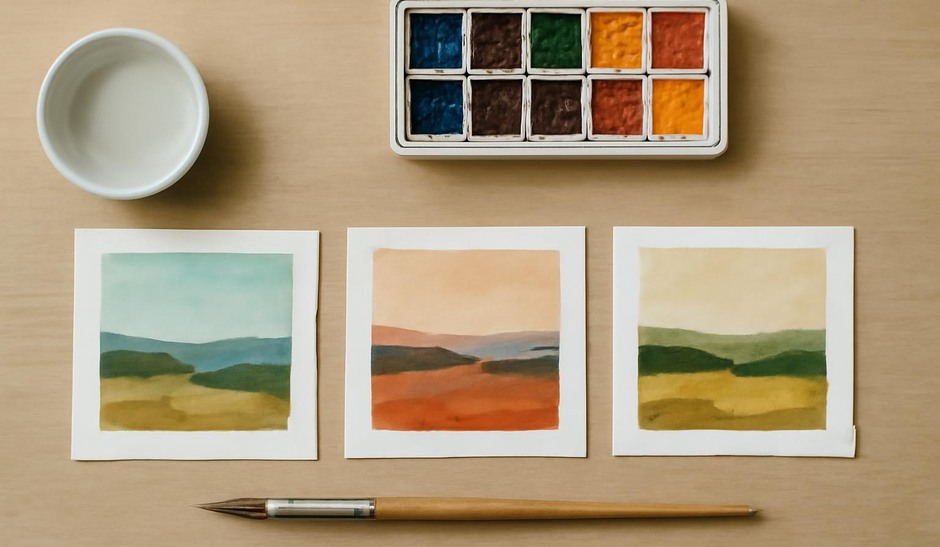
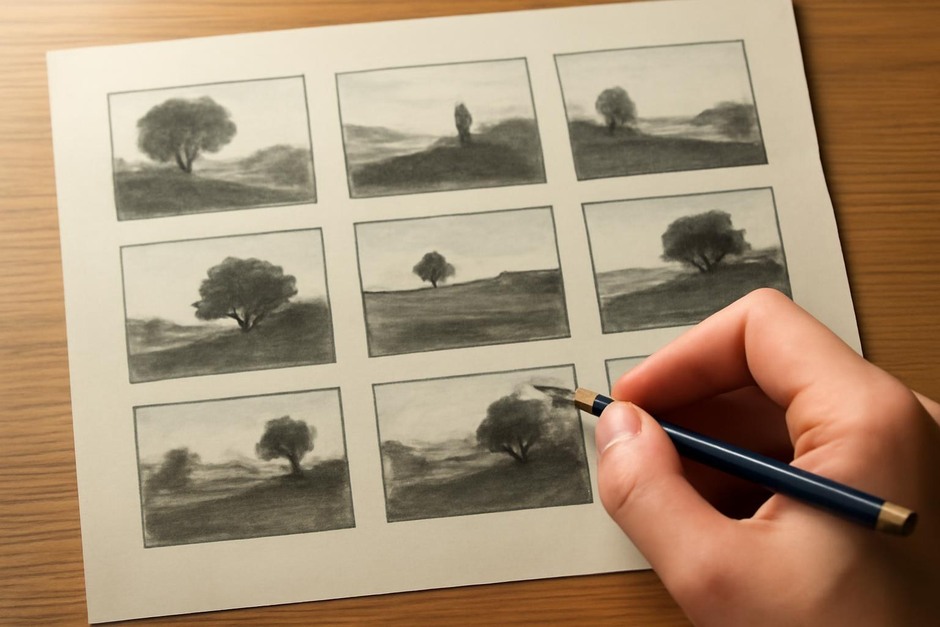
- Create mini-collections: Assemble small sets for recurring needs — five head-turns, six types of shadow edges, a handful of color keys. These collections are faster to consult than a large, unfiltered archive.
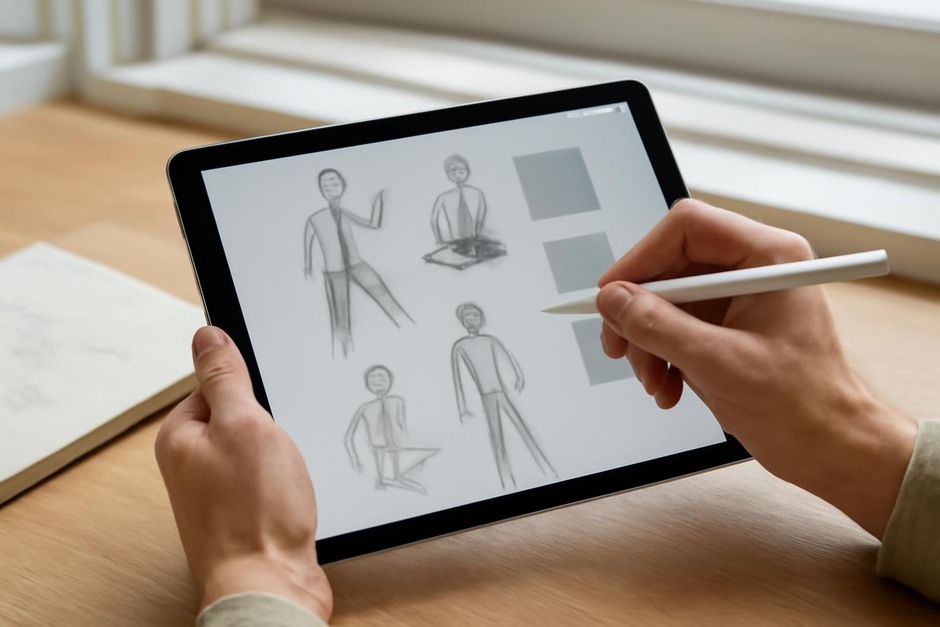
- Use reference sheets: For a project, assemble a single sheet that contains 4–8 images and a short note about what each image contributes. Put this sheet on a visible layer while you paint.
Exercise: build a focused pack
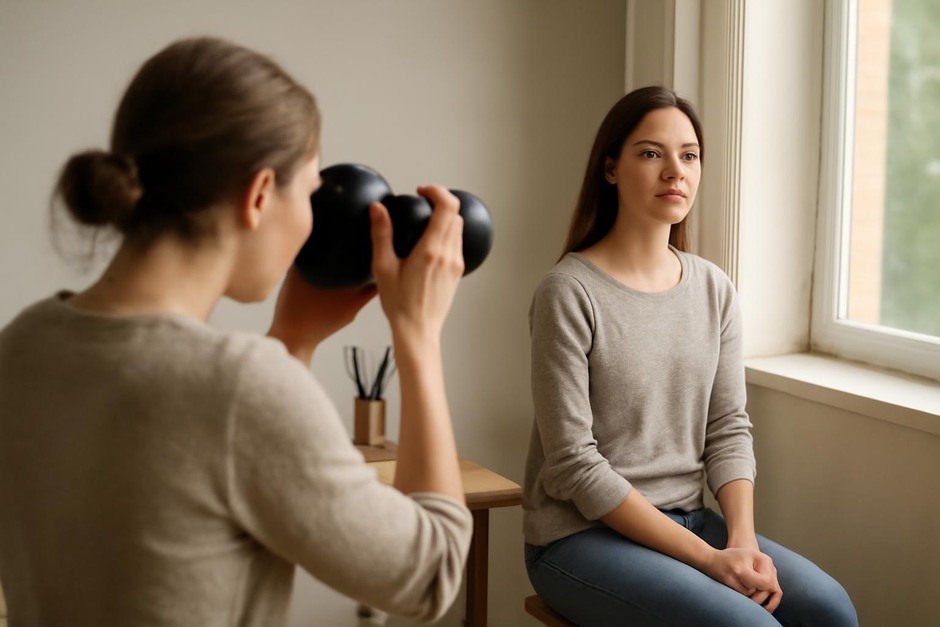
Spend a 30-minute session to build a “window light” pack. Capture or select images showing different angles and intensities of window light on faces and objects. Tag each item with angle and intensity, then choose three to use in three separate 20-minute studies. Reflect on what worked and which reference elements translated well into your studies.
Efficient reference gathering is a habit of selection and intention. By keeping collections small, tagged, and purpose-driven, references become active tools for exploration rather than passive clutter. Over time, a compact visual library speeds decisions and supports clearer iterative studies.