Material Studies: Translating Texture to Digital Brushes
Observe before you sample
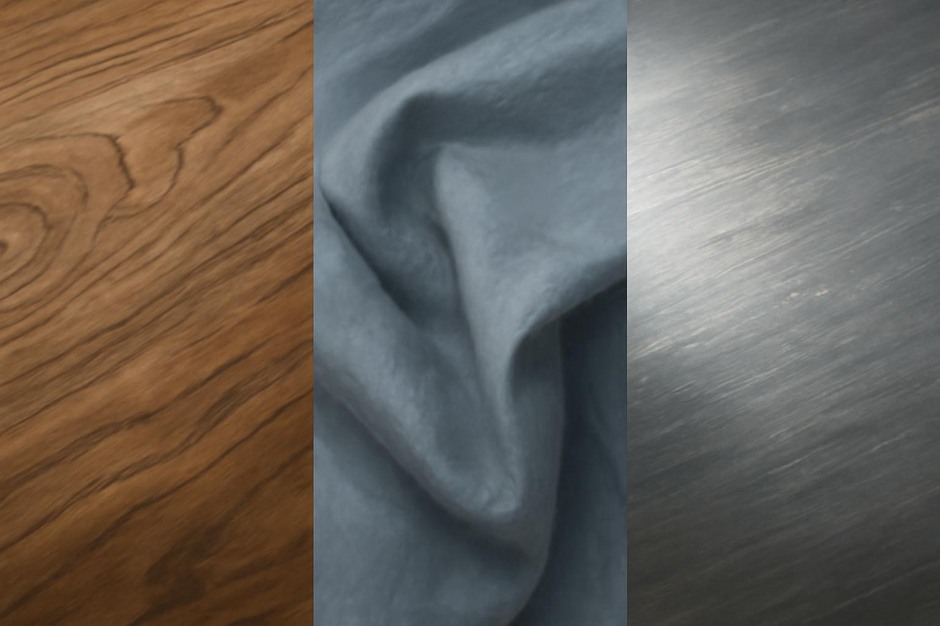
Materials read through a few key visual cues: edge quality, microtexture, reflectivity, and how light reveals form. Start a study by photographing a small set of materials under consistent light. Spend time observing edges and recurring patterns before reaching for a brush preset.
Three-stage study approach
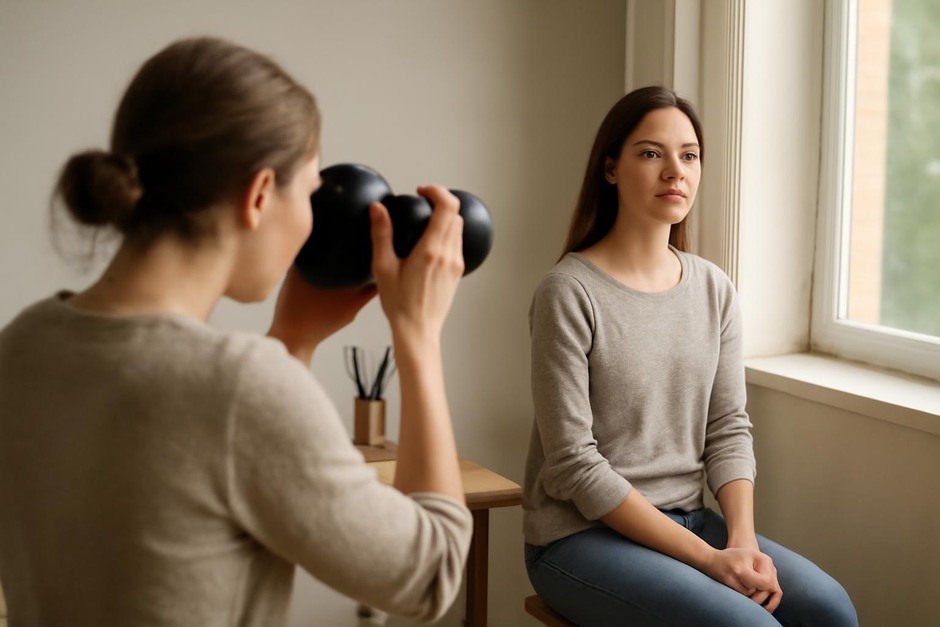
- Document and note. Capture 6 to 10 photos of a single material from different angles and distances. Make short notes about edge softness, highlight behavior, and scale of texture.
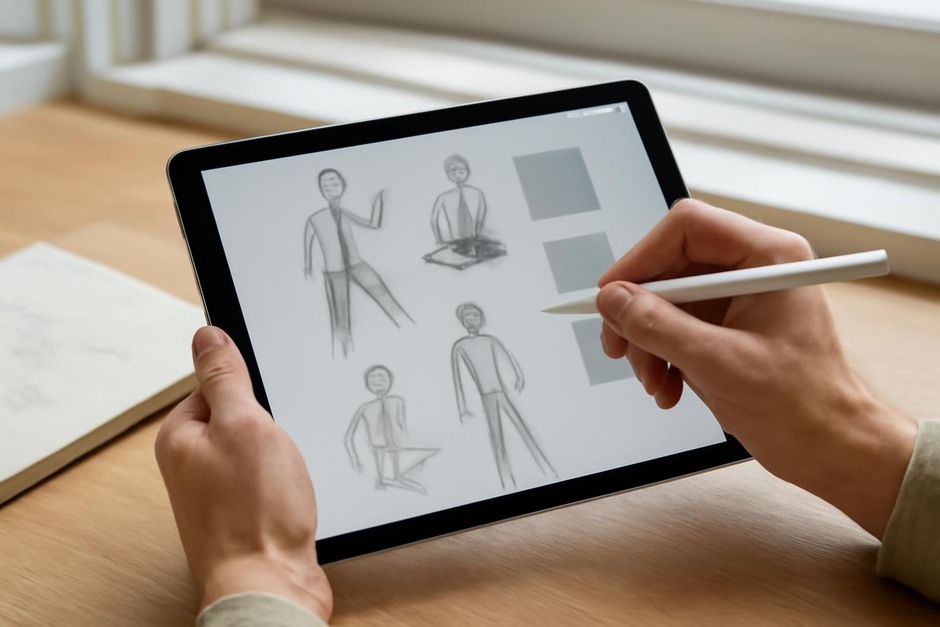
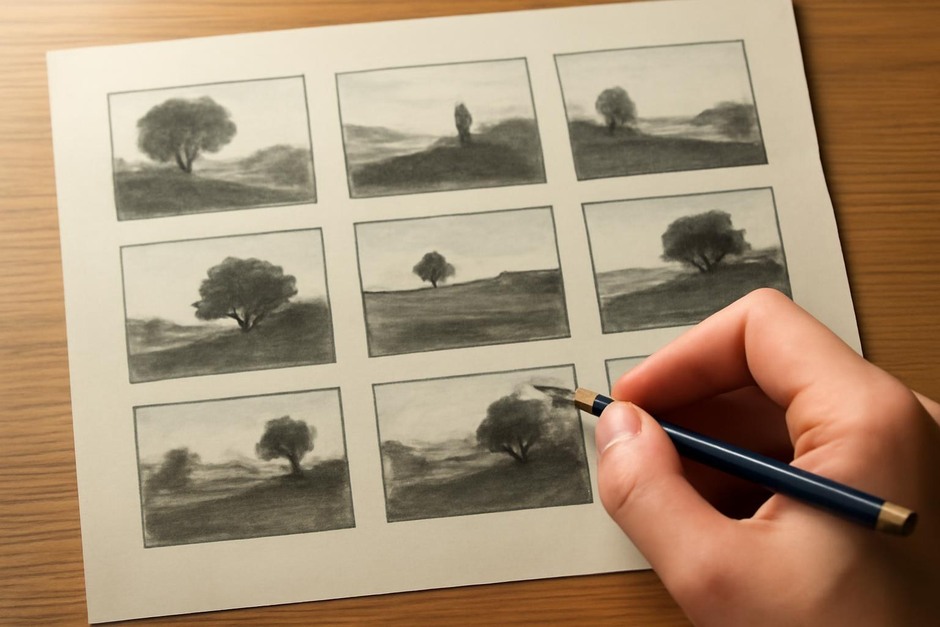
- Thumbnail study. Make 4 to 6 small value-only sketches to test how the material reads at different distances. Focus on the silhouette of texture and where details need to resolve.
- Brush experiment. Using a limited brush set, replicate the key cues. Adjust brush scatter, opacity, and edge hardness until the brush suggests the material from a distance. Save successful brush settings as a named preset.
Exercises to practice translation
- Scale test: Paint the same material at three sizes: macro, mid-range, and thumbnail. Notice which details survive scaling and which become noise.
- Edge control: Work on a piece where only the edge treatment differentiates two adjacent materials. Use feathering and hard marks to convey a transition from cloth to metal or skin to fabric.
- One-brush study: Create a small study using a single versatile brush. Limit yourself to value and stroke variation to suggest the material rather than rendering every detail.
Applying studies in illustration
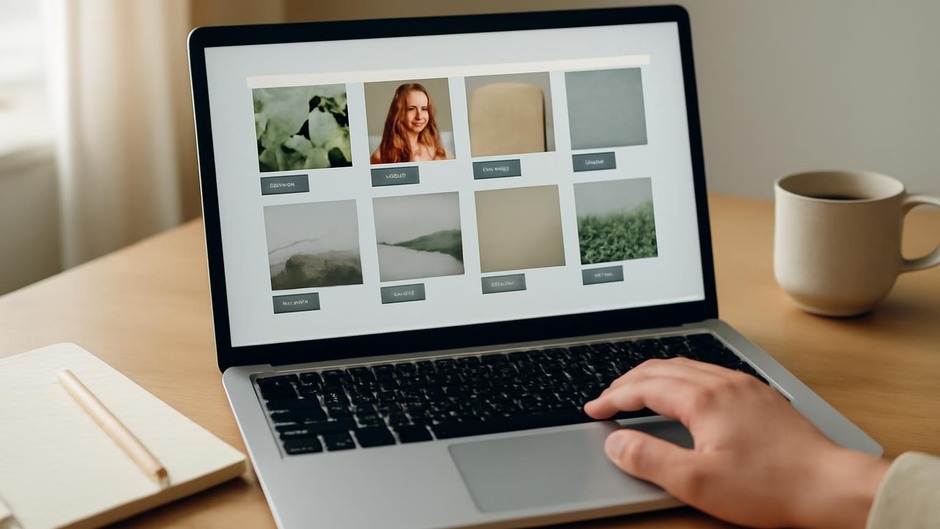
Integrate material presets into a library tied to your reference collections. For a given illustration, pick two to three material presets that will carry most of the read. Use them consistently across elements to maintain cohesion. When a new material appears, run a quick three-stage study to add a matching preset instead of improvising on the fly.
Material studies are exercises in disciplined observation and repeatable technique. By translating the most important visual cues into reproducible brush behavior, you build a toolkit that helps you render believable surfaces quickly while keeping room for broader compositional work.